




What is third-party payroll management?
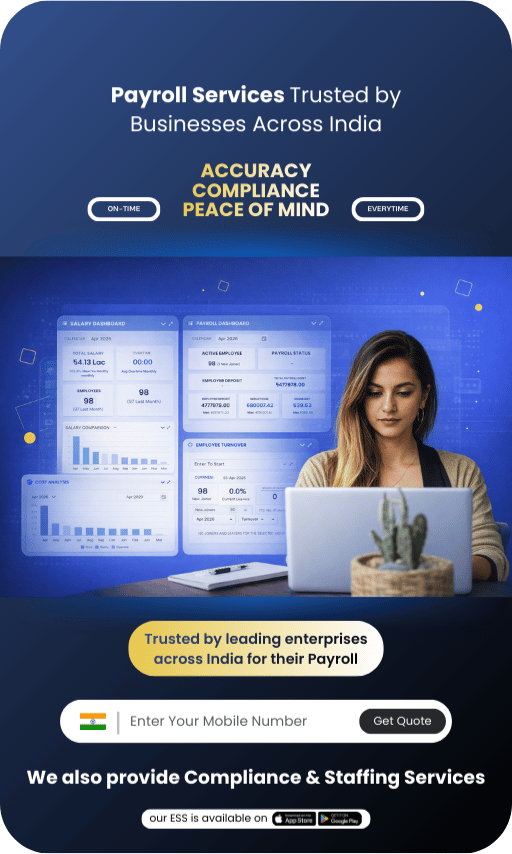
Third-party payroll management is the outsourcing of payroll processing, tax withholdings, benefits contributions, and required statutory filings to a specialized provider. The service combines payroll software with regulatory expertise to deliver accurate, timely, and auditable payroll every period. By shifting the day‑to‑day payroll work to experts, your internal team can focus on core business activities while staying confident in compliance.
Core services typically include processing employee pay, calculating accurate deductions, submitting mandatory reports, remitting taxes and contributions, handling year‑end forms, and maintaining compliant payroll records. In short, a payroll partner becomes accountable for turning complex regulations into reliable payroll outcomes.
Why statutory compliance matters in payroll
Key compliance areas
- Tax withholding and remittance (income tax, social contributions, etc.)
- Minimum wage, overtime, and hour tracking
- Leave accruals, holidays, and employee benefits contributions
- Statutory reporting deadlines and government filings
- Employee data privacy and record-keeping
- Employee versus contractor classification where applicable
- Audit readiness and dispute resolution support
How third-party payroll management helps ensure compliance
Expertise and regulatory updates
A payroll service provider monitors regulatory changes and translates them into up‑to‑date payroll rules in the system. This reduces the risk of penalties from outdated calculations or missed filings.
- Automated updates to tax tables, contribution rates, and reporting formats
- Regional coverage for multi-location employers and cross-border payroll when needed
Process standardization and audit trails
Standardized processes minimize human error, while complete audit trails document who did what and when. This makes audits smoother and supports transparent governance.
- Defined onboarding, approval, and reconciliation procedures
- Immutable records and traceable changes for compliance reviews
Timely filings and accurate payments
Delays in filings or incorrect payments can trigger penalties. Payroll outsourcing helps ensure deadlines are met and payments are accurate.
- Automated remittance reminders and workflow checks
- Precise wage calculations and correct benefit contributions
Data security and privacy
Payroll data is highly sensitive. Reputable providers implement robust security controls and privacy protections.
- Encryption, access controls, and regular data backups
- Compliance with data protection regulations (e.g., GDPR, local laws)
Practical examples of compliance in action
Example 1: A growing company expanding to a new region
As you hire in a new state or country, payroll complexity increases. A third-party payroll provider can:
- Implement region-specific tax rules and social contributions
- Onboard local employees with compliant data collection
- Deliver region-specific reporting and year-end forms
Example 2: Year-end closing and tax reconciliations
End-of-year processes require precise reconciliations between payroll, taxes, and benefits. Outsourcing helps ensure accuracy and reduces penalties.
- Consolidated annual payroll reports and reconciled payroll registers
- Correct allocation of pre- and post-tax deductions and benefits
Example 3: Correct classification of employees and contractors
Misclassification is a common compliance risk. A payroll partner can implement clear criteria and routine audits to prevent errors.
- Consistent classification rules across locations
- Documented criteria and contractor engagement records for audits
Choosing the right third-party payroll partner
Due diligence checklist
- Experience with payroll compliance in your country/region and industry
- Client references and case studies from similar businesses
- Data security measures and privacy policy details
- Integration capabilities with your HRIS, accounting software, and time-tracking tools
- Service levels, response times, and support availability
- Transparent pricing, contract terms, and termination options
Integration and onboarding
- Smooth data import and validation of employee records
- Structured onboarding for new hires and ongoing terminations
- Training for HR and finance staff on the new system
SLAs, data security, and support
- Security certifications (for example, ISO 27001, SOC 2)
- Regular security audits and clear breach notification procedures
- Dedicated helpdesk with defined issue resolution timelines
Best practices to maximize compliance with outsourced payroll
Data hygiene and governance
Keep employee data accurate and up to date to ensure correct pay and filings.
- Regular data cleansing at onboarding, promotions, and terminations
- Maintain a single source of truth for payroll data
Regular audits and reconciliations
Schedule periodic internal and provider-led audits to catch discrepancies early.
- Monthly reconciliations between payroll, taxes, and benefits
- Year-end reconciliations and form verification
Clear roles and access controls
Define who can view, edit, approve, and export payroll data.
- Role-based access control (RBAC)
- Segregation of duties to prevent fraud
Contingency planning
Have a plan for system outages, data backups, and data recovery.
- Offline payroll processing procedures
- Regular disaster recovery testing and business continuity drills
Conclusion
Outsourcing payroll to a trusted third-party provider can be a powerful strategy to maintain statutory compliance, reduce risk, and free internal resources for growth. When choosing a partner, prioritize regulatory expertise, data security, integration capabilities, and clear service levels. With the right setup, third-party payroll and hr management becomes not just a cost saver, but a shield against penalties and a foundation for scalable success.